
Eighteen faculty and staff from John B. Lacson Foundation Maritime University, Molo returned this week from a weeklong cross border mobility program in Hangzhou and Shanghai, China, where they combined cultural immersion, professional exchange, and frontline diplomacy to deepen the university’s internationalization efforts.
The delegation, composed of teaching and non teaching personnel, traveled from May 21 to 26, 2026, as a support to JBLFMU Molo’s ongoing drive to strengthen global citizenship education, internationalization and institutional partnerships.
Their itinerary moved from the scenic and historic to the modern and metropolitan, offering participants a wide lens on China’s past and present.
In Hangzhou, the group visited the legendary West Lake, traversing lakeside paths and taking in vistas that have inspired poets and painters for centuries. They toured Lingyin Temple, an ancient Buddhist site whose tranquil courtyards and carved grottoes provided a quiet counterpoint to the bustle of modern life. At Meiwu Tea Garden, participants observed the garden’s layout and tea cultivation features, gaining visual insight into the region’s tea heritage.
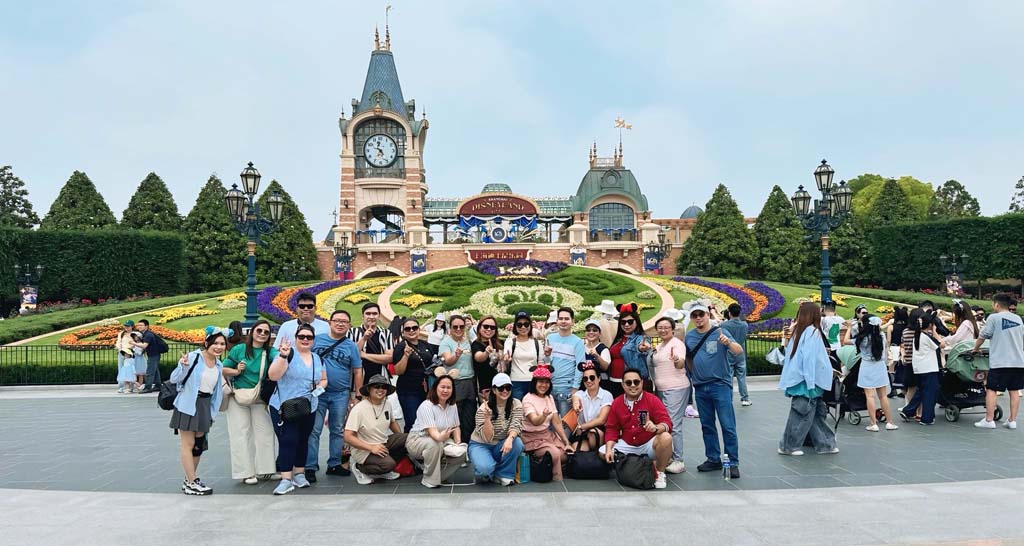
The mood shifted from contemplative to playful when the delegation spent a day at Shanghai Disneyland, where colleagues traded lecture halls for attractions and informal conversations replaced formal agenda. The visit offered a reminder that cross border learning can be both educational and humanizing; shared laughters and downtime build the personal connections that underpin long term collaboration.
Back in central Shanghai, the group encountered the city’s architectural and commercial contrasts. They admired the European influenced facades of the Bund, strolled the busy Nanjing Road Walkway, and capped one evening with a river cruise that showcased Shanghai’s skyline, with gleaming towers and historic buildings reflected in the Huangpu River. These scenes prompted reflection on how cities compress histories of trade, empire, and modern development into walkable districts.
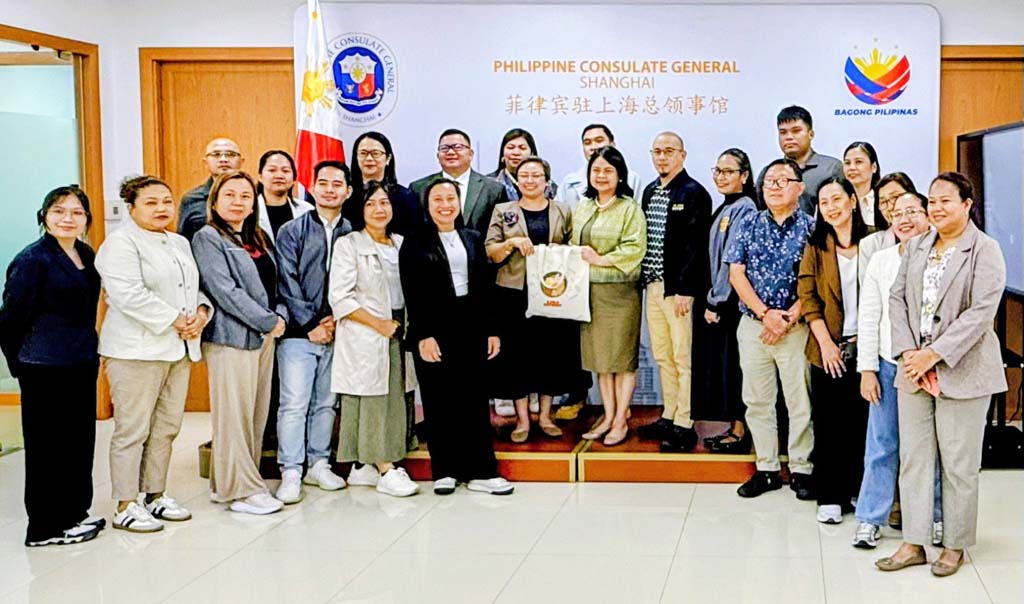
On the program’s final official day, the group met with representatives of the Philippine Consulate General in Shanghai and was received by Ms Jeannie Petrola, Cultural Officer and PCGS Consular Assistant. Consul John Francis Herrera described the consulate’s role in fostering diplomatic ties through people to people exchanges in tourism, commerce, and employment during his special lecture and question and answer segment. He emphasized the office’s responsibility to protect Filipinos working or traveling in China and outlined practical pathways the consulate uses to support and connect nationals abroad.
Consulate General Myca Magnolia Fischer warmly invited JBLFMU Molo students to consider educational visits to the consulate and offered to provide pre departure orientation seminars on Chinese culture, an offer that signals a willingness to turn a single mobility trip into a recurring educational partnership.
The delegation also toured Shanghai neighborhoods including Wukang Road, Huaihai Road, and Xintiandi Shikumen, observing how heritage architecture has been adapted for contemporary urban life.
Beyond the itinerary, participants returned with practical takeaways: new ideas for curricular internationalization, stronger ties for future exchanges, and concrete offers of support from a diplomatic mission. For an institution that serves a maritime and global workforce, such firsthand exposure to another country’s cultural rhythms, governance structures, and urban economies is more than a study tour, it is an investment in capacity.
The trip’s most important lesson arrived quietly, in conversations on a river cruise and while observing gardens and streets framed by unfamiliar skylines, internationalization is a people project. Policies and partnerships open doors, but lasting global collaboration grows from human connection, shared observations, mutual curiosity, and the willingness to meet across borders.
As JBLFMU Molo returns to Iloilo, the school brings back not only memories and photographs, but relationships and invitations that can be turned into student opportunities, staff development, and sustained civic ties, proof that mobility programs do more than broaden horizons, they make those horizons actionable.
Words by Louise May Lim
